
Newsletter August 16th 2026 / 20th Sunday in Ordinary Time
Have you ever felt like an outsider?
Have you ever stood on the edge of a group, wondering if you were welcome, or if there was a place for you at the table?
· In this Sunday’s Gospel, we encounter a woman who knew that feeling all too well. She was a Canaanite a foreigner, a pagan, and a traditional enemy of the Jewish people. By all social and religious standards of the day, she was the ultimate outsider. Yet, driven by fierce, maternal love for her tormented daughter, she crosses physical and cultural borders to cry out to Jesus: “Have pity on me, Lord, Son of David!
· “At first, Jesus’ response is startling. He is silent, and then He speaks of boundaries: “I was sent only to the lost sheep of the house of Israel.” When she persists, He uses a harsh-sounding metaphor about not throwing the children’s food to the dogs.
· But this remarkable woman refuses to be dismissed. She doesn’t take offense; instead, she enters into the metaphor with a quick-witted, holy boldness: “Please, Lord, for even the dogs eat the scraps that fall from the table of their masters.”
· In that moment, her fierce faith unlocks a beautiful truth. She recognizes that God’s grace is not a scarce resource to be hoarded. It is so abundant that even a single “crumb” of Jesus’ power is more than enough to heal her daughter. Jesus marvels at her: “O woman, great is your faith! Let it be done for you as you wish.”
· This encounter is a turning point. It prepares the disciples—and us—for the breathtaking scale of God’s kingdom.
· Centuries before, the prophet Isaiah foresaw this day, proclaiming that God’s house would be called “a house of prayer for all peoples.” Saint Paul echoes this in his letter to the Romans, reminding us that God’s mercy is so vast, and His call so “irrevocable,” that it extends to everyone, crossing every human barrier of race, background, and past mistakes.
This Sunday, we are challenged in two ways:
1. First, how is our faith? Do we approach Jesus with the same relentless, trusting persistence as the Canaanite woman? When God seems silent, do we walk away, or do we kneel, as she did, and say, “Lord, help me”?
2. Second, how do we treat the “outsiders” today? As a parish community, are we a “house of prayer for all peoples”? Or do we sometimes act as gatekeepers, deciding who is worthy of God’s grace and our welcome?
August-16th-2026-Portrait-Web-Version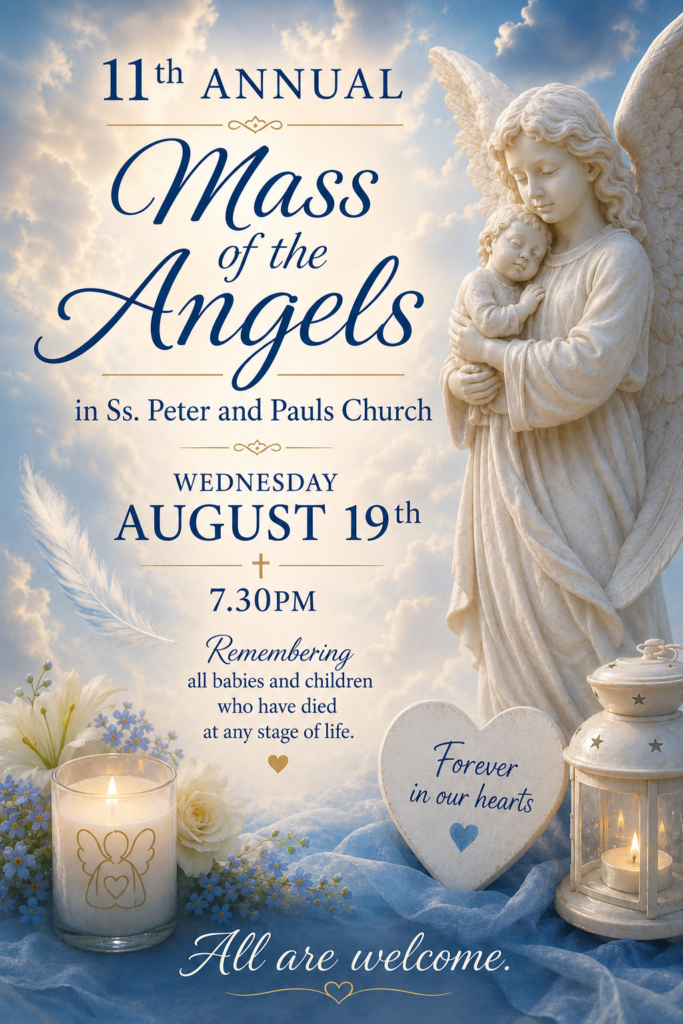



Related Posts


About The Author
